

Antes de empezar, tenemos que preparar las herramientas necesarias. En Internet encontrarás muchos artículos para la pesca con imán, tanto kits como piezas sueltas. Tanto si añades el kit a tu carrito de la compra por comodidad, como si compras cada pieza por separado para crear un kit de herramientas a medida, aquí tienes lo imprescindible que necesitas para tu primera salida de pesca con imán.
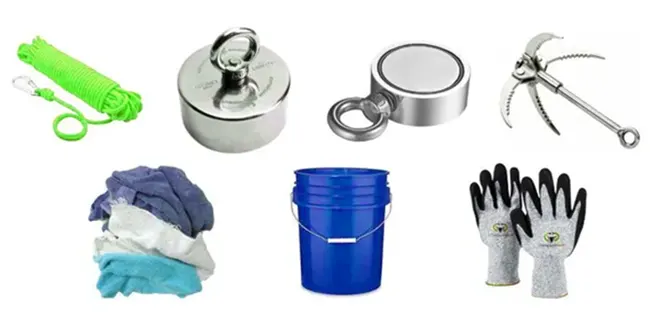
- Imán para la pesca: Para recoger objetos metálicos más grandes, necesitas un imán de neodimio potente. Imanes de neodimio Están disponibles en varios grados (normalmente clasificados entre N35 y N52), y puedes consultar las especificaciones del imán de pesca al comprarlo. Cuanto mayor sea el número que sigue a la “N”, mayor será su magnetismo. Cuanto mayor sea el magnetismo, más grande será el objeto metálico que pueda atrapar. Puedes obtener más información sobre cómo elegir el imán de pesca adecuado en nuestro blog correspondiente.
- Cuerda sintética de nailon:Cuando se lanza el imán al agua, necesitamos una cuerda sintética resistente al desgaste, a la corrosión y a los rayos UV para sacarlo. Elige una cuerda cuya resistencia a la rotura sea superior a la fuerza de tracción del imán (al menos el doble de la fuerza de tracción del imán), lo que evitará que el imán se rompa al tirar con fuerza. Además, hay que tener en cuenta la longitud en función de la profundidad de la zona de pesca.
- Fijador de roscas:Antes de introducir un imán nuevo en el agua, hay que aplicar fijador de roscas a la unión entre el imán y el mosquetón de la cuerda. Esto evita que el imán se afloje y se pierda bajo el agua, y nadie quiere que eso ocurra.
- Guantes: Lleva dos pares de guantes resistentes (uno para uso práctico y otro de repuesto) para protegerte las manos de los arañazos que te puede provocar tirar de la cuerda. Hay otra situación: cuando ves los anzuelos, los cebos oxidados y los fragmentos metálicos afilados que recoge el imán, nadie quiere limpiarlos con las manos desnudas.
- Mosquetón de aluminio:Aunque el uso de un mosquetón para unir la cuerda al imán en algunas situaciones de pesca complejas supone un eslabón relativamente débil del dispositivo, se recomienda a los principiantes que utilicen un mosquetón para facilitar la unión, ya que hacer nudos es una tarea que requiere cierta destreza. Al mismo tiempo, la versatilidad del mosquetón nos permite sustituir fácilmente diferentes imanes o añadir ganchos de agarre para capturar objetos de formas irregulares. Por lo general, se recomienda elegir un mosquetón con la misma resistencia a la rotura que la cuerda y que cuente con un mecanismo de bloqueo, lo que puede evitar que la palanca se abra al ser empujada por rocas desconocidas mientras se está bajo el agua, lo que provocaría la pérdida del imán.
- Rascador o cepillo: Un rascador o un cepillo de alambre pueden ayudar a eliminar el barro, las algas o los pequeños fragmentos metálicos del imán de pesca tras la actividad, con el fin de prolongar la vida útil del dispositivo. A continuación se ofrecen instrucciones de mantenimiento más detalladas.
- Contenedor de almacenamiento:Se puede utilizar un cubo o una caja de almacenamiento para guardar por separado las herramientas de pesca con imán y los objetos recuperados. Esto nos ayuda a que nuestra experiencia de pesca sea más organizada.
Una vez preparado el equipo, ya podemos ponernos manos a la obra. Asegúrate de pescar en una zona autorizada y con licencia. Puedes consultar con antelación la normativa local sobre la pesca con imán, ya que en algunos lugares puede estar restringida por motivos medioambientales o de seguridad.
La seguridad es siempre lo más importante a la hora de realizar esta divertida actividad. A continuación, te presentamos las medidas de seguridad clave que hemos resumido a partir de nuestras experiencias anteriores:
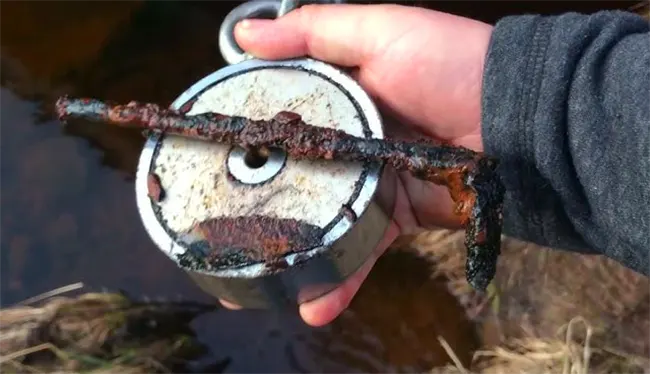
- Los imanes de pesca suelen sacar del agua residuos de hierro oxidados, por lo que hay que tener cuidado al limpiarlos. Se recomienda encarecidamente llevar un par de guantes resistentes y a prueba de cortes para proteger las manos de objetos afilados.
- Durante el proceso de pesca, debemos sacar el imán de pesca con regularidad y raspar las algas, la suciedad y las piedras que se acumulan en su superficie. Una limpieza adecuada permite mantener la eficacia del imán y evitar así perderse un hallazgo interesante en un momento crucial.
- Si arrastras el imán de pesca por el fondo de la embarcación en el centro del agua, ten cuidado de que no se enganche en objetos desconocidos, como rocas o ramas que haya en el fondo. Si el imán se queda atascado, intenta tirar de él desde diferentes ángulos para desatascarlo, en lugar de tirar directamente hacia arriba, ya que esto podría romper la conexión. ¡Si, por desgracia, se rompe la cuerda! Tendrás que utilizar un imán de pesca de repuesto para recuperar el primero.
- Presta siempre atención a tu entorno y a los posibles peligros antes de comenzar y durante el proceso de rescate, y evita las corrientes fuertes, las carreteras resbaladizas o los muelles y puentes inestables.
- Deshazte de cualquier basura o residuo que encuentres mientras practicas la pesca con imán para ayudar a proteger el medio ambiente y mantener limpias las vías fluviales. Ofrece una experiencia agradable a los futuros exploradores y protejamos juntos nuestra Madre Tierra.
- Antes de lanzarte a cualquier aventura de pesca con imán, infórmate bien sobre las leyes y normativas relativas a la pesca con imán en tu zona. En algunas zonas puede ser necesario disponer de una licencia o pueden existir restricciones en determinados lugares.
Esperamos que todos los aficionados a la pesca con imán puedan sacar provecho de nuestra experiencia. Que disfrutéis de una buena experiencia y obtengáis buenos resultados en vuestras próximas salidas de pesca.
Después de pasar horas sacando un reloj o una antigüedad del fondo del agua, es posible que también haya traído consigo polvo y fragmentos de metal. Los imanes de pesca están destinados a chocar con el barro, las rocas y diversos objetos submarinos bajo el agua, e incluso el imanes más potentes se desgastarán rápidamente si no se cuidan adecuadamente. Descuidar el mantenimiento básico puede hacer que los imanes de neodimio de su interior se oxiden, reduzcan la fuerza magnética y acorten su vida útil, lo que puede afectar a su próxima exploración de pesca con imán. Dedicar algo de tiempo a realizar algunos procedimientos sencillos de mantenimiento de los imanes de pesca puede mantenerlos en las mejores condiciones. Permítame enseñarle algunos consejos básicos y prácticos de mantenimiento.
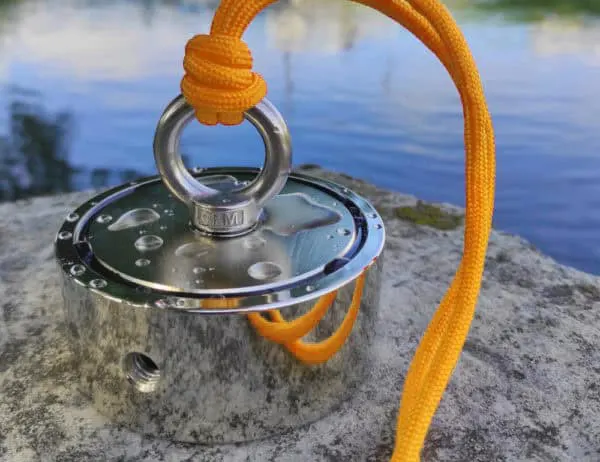
Limpieza de imanes
Después de cada salida, enjuague los imanes con agua limpia y un cepillo suave para eliminar los restos de suciedad, arena y partículas desconocidas. Evite cualquier acumulación que pueda afectar al rendimiento de los imanes. Si estos accesorios se dejan desatendidos durante mucho tiempo, los imanes se corroerán y debilitarán.
Si sus imanes se han utilizado durante mucho tiempo y presentan un óxido evidente (que es imposible evitar por completo), ha llegado el momento de darles una limpieza a fondo. Retire las piezas desmontables (como las armellas o las empuñaduras) y sumérjalas en agua jabonosa templada con el imán durante 15 minutos. Durante este tiempo, podemos preparar otras herramientas. Cuando el óxido se haya reblandecido, utilice un cepillo para eliminarlo y aclárelo bien con agua limpia. Si durante este proceso utiliza un producto comercial para eliminar el óxido, recuerde llevar guantes y mantener el aire ventilado.
Secar bien
Los imanes de neodimio son especialmente propensos a oxidarse si se dejan mojados durante mucho tiempo. Después de enjuagarlo, séquelo completamente con un paño suave y colóquelo en un lugar ventilado para que se seque de forma natural. No se apresure a guardarlo, porque la humedad que quede en la superficie metálica provocará óxido con el tiempo, lo que comprometerá el rendimiento del imán de pesca. Esto es algo que ninguno de nosotros quiere que ocurra.
Técnicas adecuadas de almacenamiento
Todos hemos oído el dicho “cada cosa tiene su sitio, y cada cosa su lugar”, y lo mismo ocurre con los imanes de pesca. Cuando no los utilice, guarde los imanes en un lugar seco y fresco, lejos de la luz solar directa y la humedad. Los ambientes húmedos son propensos a la oxidación y la corrosión acelerada, lo que significa que los sótanos y garajes húmedos no son lugares de almacenamiento ideales. Si sólo puede guardarlos en el sótano, será mejor que prepare un recipiente de plástico para almacenarlos, que no sólo puede aislar la humedad, sino también proporcionar un entorno de amortiguación para evitar colisiones accidentales, impactos y la proximidad con otros elementos que pueden causar desmagnetización.
Medidas de prevención de la oxidación y la corrosión
Aunque los imanes vengan recubiertos de fábrica, tomar algunas medidas adecuadas de prevención del óxido puede garantizar que los imanes de pesca sigan siendo eficaces durante más tiempo, siempre que el tiempo y el dinero lo permitan. Aplique una capa de aceite de motor o spray antioxidante (también puede utilizar cera o sellador impermeable) para formar una barrera que proteja los imanes de la humedad y el aire. Asegúrese de limpiar el exceso de aceite y deje que se seque de forma natural antes de guardarlo. Además de utilizar líquido antioxidante, los paquetes de silicona son otra herramienta eficaz para prevenir el óxido: guardar los imanes de pesca con paquetes de silicona en una caja de plástico hermética puede ayudar a absorber la condensación, reduciendo así el riesgo de óxido durante el almacenamiento.
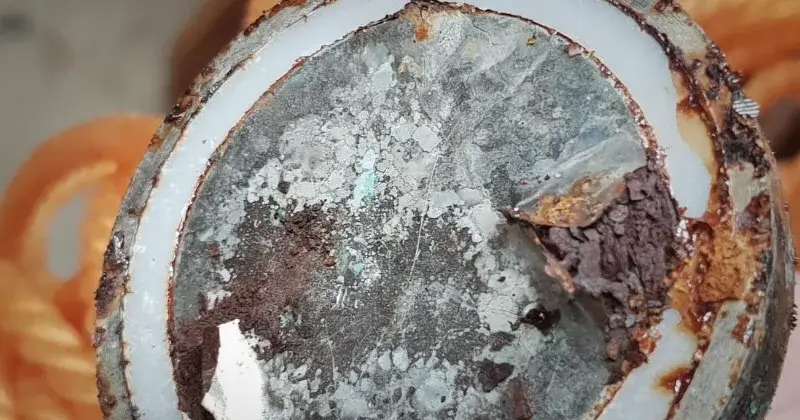
Inspección periódica
Los imanes de pesca también necesitan inspecciones periódicas, como otras herramientas del sótano, para detectar y reparar defectos lo antes posible y evitar problemas mayores cuando se utilicen. Inspeccione la superficie del imán en busca de grietas, astillas o arañazos. Estos daños físicos exponen los componentes magnéticos del interior del núcleo al agua y al aire, lo que reduce la eficacia y acelera el desgaste. Si los signos de desgaste son menores, puede aplicarse un revestimiento reparador. Puede intentar levantar con él un peso conocido de metal para comprobar si el magnetismo sigue siendo el esperado. Si comprueba que el magnetismo ha disminuido, sustituya únicamente el imán. Acuérdate también de comprobar el desgaste y la fragilidad de la cuerda, nadie quiere que se rompa al sacar objetos del agua.
Además de los consejos de mantenimiento anteriores, evitar las temperaturas extremas, evitar las colisiones violentas entre los imanes y otras superficies duras y utilizar lazos de cuerda para reducir los daños por impacto son también medidas de protección que pueden adoptarse. Como con cualquier herramienta y afición, un mantenimiento científico y razonable puede prolongar eficazmente la vida útil y la seguridad del equipo de pesca con imán. Un poco más de mantenimiento, un poco más de seguridad. Deje que se centre en la emoción de la exploración.


