Tipos de revestimientos magnéticos

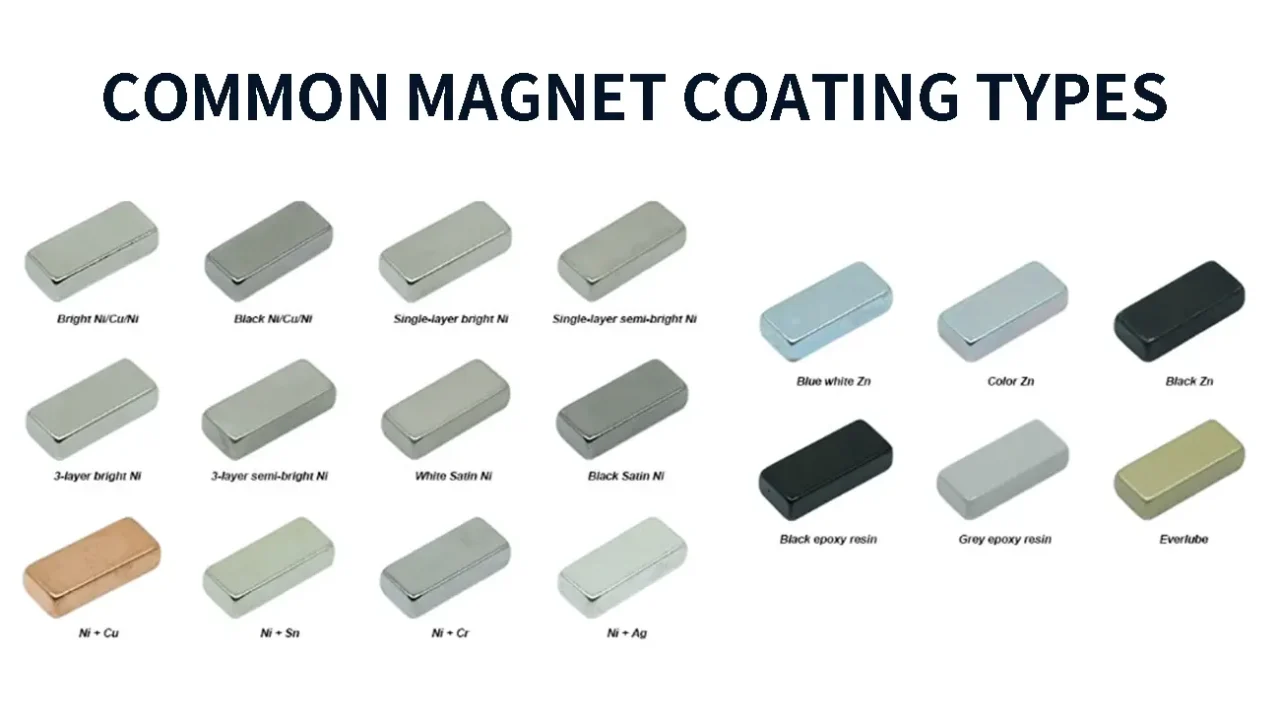
Tipos y combinaciones comunes de revestimientos magnéticos.

Magnets are used in many industries from electronics to healthcare to renewable energy to manufacturing. But although the magnetic core is the heart of the application, the coating or plating on the magnet is what makes it durable and perform at its best. The coating on a magnet is more than just a protective layer; it increases corrosion resistance, durability and often provides aesthetic or functional benefits.


Our guide today will go into the world of magnet coatings and platings, nosotros will look at the different types, their characteristics and the surface treatment methods. Whether you are a professional sourcing expert for industrial applications or just an interested hobbyist, understanding the importance of coatings will help you make informed decisions for your projects. From simple coatings like nickel and zinc to complex multi layered options we will go through the characteristics, benefits and real world uses of these coatings.

What Are The Surface Treatment Processes For Magnets?

Each metal coating has its advantages. Nickel plating is durable and has a shiny finish, perfect for applications that require both protection and appearance. Zinc coatings are economical for rust prevention, gold plating is for high-precision electronic components. Each coating is chosen based on the environmental and functional requirements of the magnet.

While electroplating has many benefits it requires great control and expertise. The process demands precise electrical parameters, solution composition and application techniques for uniform coverage. Environmental factors, current density and solution temperature need to be managed to get the best results. In some harsh environments with high abrasion or extreme conditions the coating may wear off and may need to be maintained or re-applied periodically.

Spraying: 

Spraying is a dynamic and flexible magnet surface treatment process that allows manufacturers to apply different coating materials onto magnets using high pressure equipment. This process converts coating materials into fine uniform particles that stick to the surface of the magnet and creates protective and functional layers with great efficiency.

The principle of spraying is to atomize coating materials which can be polymers and paints to specialized materials like PTFE into tiny particles. These particles are then propelled onto the surface of the magnet using different methods like air spraying, thermal spraying or powder coating. Each method has its own advantages so manufacturers can choose the right method based on the coating material and desired outcome.

Different spray coating materials on magnets have different advantages. Epoxy resin coatings create tough corrosion resistant layers that protect the magnets in harsh environments. Rubber coated magnets improve grip and impact resistance perfect for industrial or mechanical applications. Plastic coatings provide lightweight protection and improve appearance, showing the versatility of the process.

But spraying is not without limitations. To get a perfect uniform coating requires great skill and precise equipment. Inconsistent application technique can result in uneven layers that can compromise the performance and protection of the magnet. And the adhesion achieved through spraying may not be the same as the molecular bond created by magnet electroplating or advanced vapor deposition processes.

Spraying depends on many factors such as spray gun configuration, particle size, material viscosity and application technique. Skilled technicians must calibrate the equipment and maintain consistent motion to get the best coverage. While it’s flexible it requires great expertise to produce high quality and reliable coatings that meet industrial standards.

Physical Vapor Deposition (PVD): 

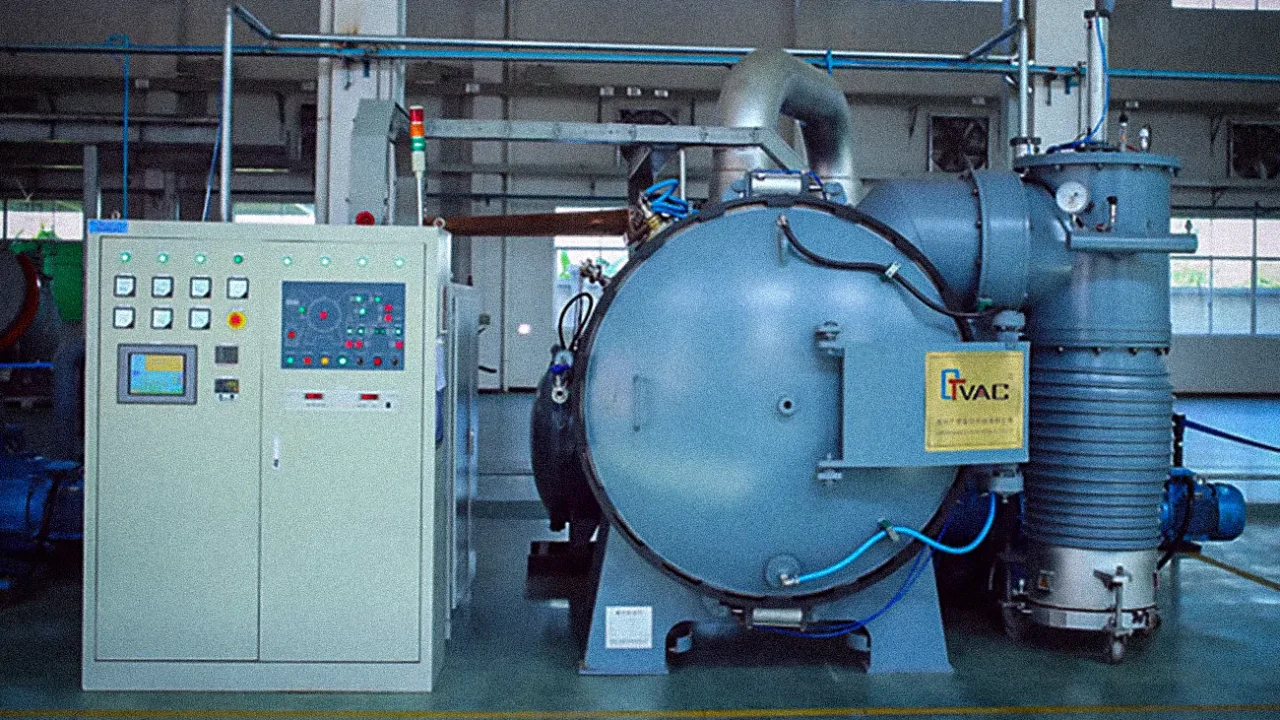
Physical Vapor Deposition is an advanced magnet surface treatment technology that transforms magnet surface through a complex and precise process within a controlled vacuum environment. This process converts coating material into a vapor state which then condenses onto the surface of the magnet and creates a very thin and uniform layer with high precision and quality. It surpasses traditional coating methods by allowing deposition of material with high accuracy and minimal material waste.

The principle of PVD is based on advanced physical transformation. Manufacturers can vaporize coating materials through different methods such as thermal heating, plasma arc generation or targeted ion bombardment. These methods allow the solid material to be converted into a vapor state that can be controlled and deposited onto the surface of the magnet. The vacuum environment is critical in eliminating contamination and getting an immaculate and high quality coating with high uniformity.

Titanium and aluminium coatings are examples of PVD’s capabilities. Titanium based coatings provide light weight durability perfect for aerospace and high performance engineering applications. Aluminium coatings provide corrosion resistance and thermal protection that extends the life of magnets in harsh environments. The resulting coatings show great hardness, wear resistance and aesthetic quality that surpasses traditional magnet surface treatment methods.

Despite its capabilities PVD has its limitations. The equipment required for this process is expensive and not accessible to a cost conscious manufacturing environment. The need for a vacuum chamber and advanced vaporization technology adds to the complexity and cost of the coating process. Hence PVD is usually reserved for high end applications where performance and quality outweighs the cost.

Chemical Vapor Deposition (CVD): 

Chemical Vapor Deposition (CVD) is an advanced magnet surface treatment technique that enhances magnet coatings by using complex chemical reactions to create uniform and highly adherent layers on the surface of magnets. This process transforms gaseous compounds through controlled thermal and chemical reactions to form solid coatings with molecular level precision and exceptional functional properties tailored for magnetic materials.

The CVD process takes place in a high temperature chamber where reactive gases are introduced and controlled. These gases decompose or react directly on the surface of the magnet and form a solid coating through molecular level transformation. The high temperature environment ensures optimal chemical reaction and creates magnet coatings with excellent structural integrity, durability and performance.

Examples of magnet coatings achieved through CVD are teflon, Parylene and polyimide coatings. Parylene coatings are highly valued for its corrosion resistance and chemical stability and are perfect for magnets used in medical, electronics and aerospace industries. Polyimide coatings provide high temperature performance and electrical insulation properties and address the critical requirement for magnets used in high tech applications. These coatings show the molecular level protection that CVD can offer that enhances the fundamental properties of magnets.

But Chemical Vapor Deposition has its challenges. The process is complex and time consuming, requires sophisticated equipment, precise temperature control and deep understanding of chemical reactions. Hence CVD is suitable for specialized high end applications where traditional coating methods are not enough. Manufacturers must evaluate specific performance requirements and cost before using this advanced surface treatment for magnet coatings.

These coating technologies are the ultimate surface engineering, giving manufacturers the opportunity to enhance magnet performance, durability and functionality through molecular level transformation. Each method has its advantages and limitations, to be chosen based on specific application requirements, cost and performance characteristics.

What Types of Magnet Coatings are there?

Magnet coatings are key to performance, durability and versatility of magnets. Different coatings serve different purposes, corrosion protection, adhesion or visual appeal. The choice of coating depends on the application and environmental conditions the magnet will be in. Here are some of the most common types of magnet coatings and their characteristics and uses:

Nickel Coating Magnets

Nickel coating is the most advanced and versatile magnetic surface treatment technology, it offers an unbeatable combination of functional protection and visual appeal. The molecular engineering behind nickel coating creates a transformative protective layer that boosts magnetic component performance across multiple key dimensions.

The multiple nickel coating options, chemical nickel, single layer nickel, matte nickel and black nickel give manufacturers an unparalleled toolset to address complex performance requirements. Chemical nickel options ensure molecular level uniformity, single layer options offer streamlined protection. Matte and black nickel options offer specialized aesthetic and functional customization, showing remarkable engineering flexibility.

Imanes de neodimio benefit the most from neodymium magnet nickel coating, they have improved durability and environmental resistance. The coating creates a smooth hard surface that provides full protection against oxidation, mechanical stress and environmental contamination. Electronics, motor manufacturing and decorative industries rely heavily on nickel coated magnets, for their exceptional performance.

Zinc Coating Magnets

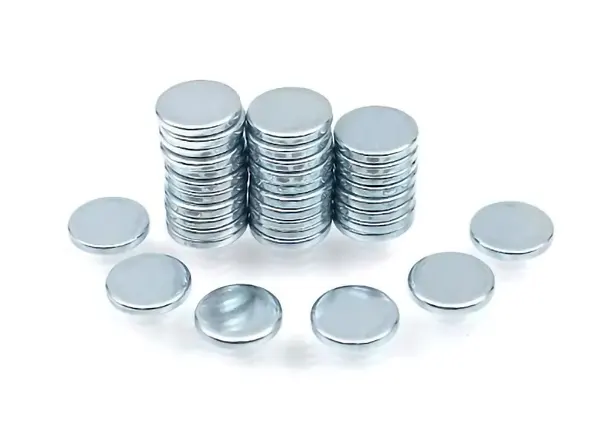
Zinc coating is a practical and economical magnetic surface protection solution, it offers manufacturers a cost effective way to rust prevention and environmental shielding. This coating is a balance between performance and cost, making it very attractive for industrial applications with budget constraints.

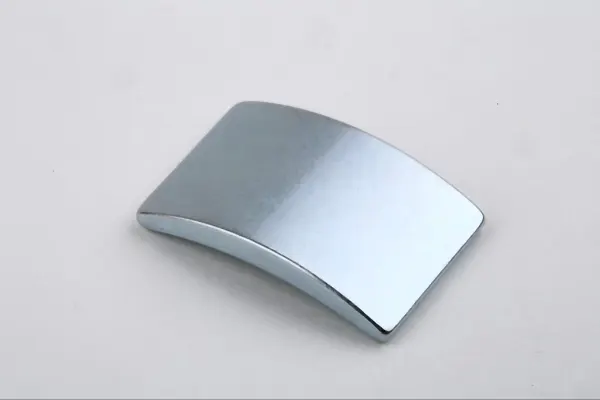
The colourful zinc and blue-white zinc options offer more flexibility to address specific protection requirements. The principle of zinc coating is to create a sacrificial protective layer that corrodes first, extends the life of the magnet and has moderate corrosion resistance.

Industrial manufacturers choose zinc coating due to its economic benefits. The matte finish and low cost protection makes it a solution for large industrial applications where cost is the top priority. Machinery components and general industrial equipment use zinc coated magnets to balance performance and cost.

Chrome coating Magnet

Coating Chrome coating is the ultimate magnetic surface treatment, it combines mechanical durability, visual appeal and precision engineering. This advanced coating process electroplates magnetic surfaces to create a high gloss finish with high hardness and reflectivity. The molecular structure of chrome coating provides wear resistance, an extremely hard surface that can withstand mechanical stress. The bright metallic finish looks great and creates a barrier against the environment. Precision machinery, automotive parts and high end decorative items benefit most from chrome’s properties. The coating creates a uniform reflective surface that’s perfect for applications that require both mechanical protection and visual appeal.

Epoxy Resin Coating Magnets

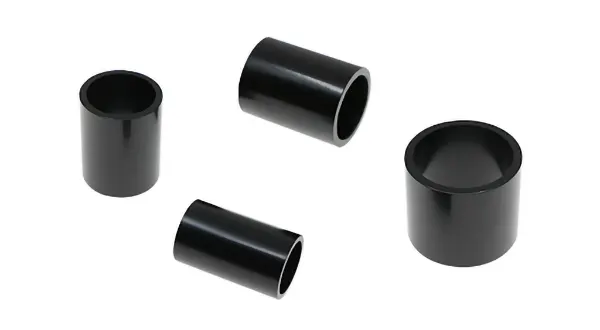
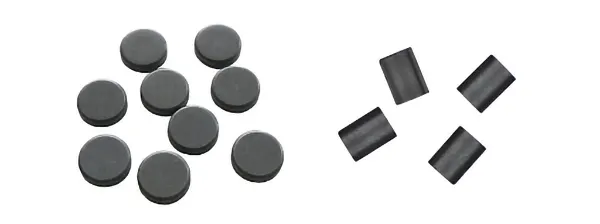
Epoxy resin coating is an advanced surface treatment that turns magnetic materials into extremely tough components that can withstand extreme environmental conditions. This coating goes beyond protection, creating a molecular barrier that shields magnets from moisture, chemical exposure and mechanical stress. The black epoxy and grey epoxy options give manufacturers more flexibility to address specific environmental and aesthetic requirements. The molecular structure of an epoxy coating magnet creates a protective layer that has excellent chemical and corrosion resistance. Applied through precise spraying, these coatings create a smooth uniform surface that bonds with the magnetic material. Epoxy coating magnets are tough enough for outdoor applications and marine environments where harsh conditions are unavoidable. Industrial applications, marine equipment and environmental monitoring systems use epoxy coated magnets to ensure long life and reliability. The spray application process allows great precision and consistency, and manufacturers can create a protective layer that fits perfectly to the magnet’s complex geometries. The coating creates a seamless barrier against moisture and chemical contamination that extends operational life and maintains magnetic performance. Black and grey options give engineers more flexibility to choose coatings that match the design requirements or environmental context.

Imán de neodimio revestido de goma para pistola

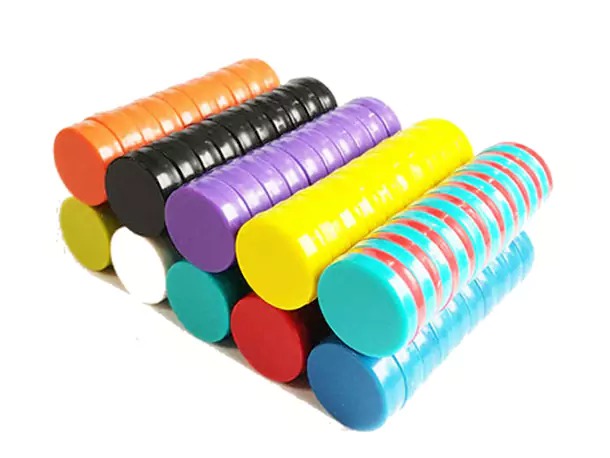
Rubber coating is a magnetic surface treatment that goes beyond traditional protection methods, combining mechanical shock absorption, tactile enhancement and aesthetic customization. This coating turns magnets into versatile parts that deliver protection and user friendliness. With multiple color options including black, white, gray and red manufacturers have never had more design freedom.

The purpose of rubber coating is to create a protective layer that absorbs mechanical shock while also increasing grip and usability. Consumer products, toys and industrial tools benefit greatly from this coating’s ability to create a soft impact resistant surface. The molecular structure of rubber coated magnets allows for significant deformation without compromising the underlying magnetic properties making them perfect for applications that require protection and dynamic performance.

The color options of rubber coatings allow designers to create magnets that are visually appealing and functionally advanced. The ability to choose from multiple colors means brand alignment, aesthetic customization and improved user interaction. Beyond the visual appeal the coating provides a tactile surface that increases grip, reduces slippage and improves overall product ergonomics. This multi faceted approach to magnetic surface treatment is a sophisticated solution to both technical and user experience requirements.

Parylene Magnets

Parylene has changed the game for magnet protection, an ultra thin protective layer is critical for high performance magnetic components. This specialized coating is particularly valuable for rare earth magnets and precision magnetic sensors where maintaining magnetic field strength while protecting the environment is key.

When applied to magnetic assemblies Parylene creates a molecular level barrier that prevents oxidation and corrosion without affecting the air gap between the magnetic components. This is critical in applications like hard disk drives, magnetic sensors and precision instruments where even microscopic changes in magnetic field interaction can impact performance.

The coating’s conformability makes it perfect for complex magnetic shapes and assemblies, particularly in medical magnetic devices and aerospace magnetic components where reliability is key. Unlike traditional coatings Parylene’s ultra thin layer maintains the original magnetic flux density while providing superior protection against harsh environments. This makes it ideal for magnetic devices in tough conditions, from underwater sensors to aerospace applications.

Gold (Au) Coating Magnets

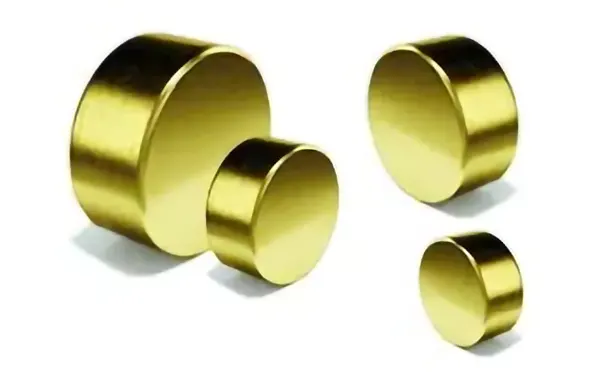
Gold coating is a high end solution for high performance magnetic components where both electrical conductivity and magnetic field preservation is critical. This premium coating is designed for magnetic sensors, reed switches and precision magnetic instruments where signal integrity is key. The coating’s molecular structure is engineered to maintain optimal magnetic flux while providing protection.

When applied to magnetic components gold coating creates a very thin conductive layer that doesn’t affect the magnetic air gap. This is critical in magnetic reed switches and relays where precise magnetic field interaction is required. The coating’s high conductivity and corrosion resistance makes it perfect for magnetic contacts in harsh environments, particularly in aerospace and medical magnetic devices.

Al no ser magnético, el oro es ideal para recubrir núcleos magnéticos y sensores magnéticos de precisión en los que las propiedades magnéticas exactas son críticas. Su resistencia a la oxidación garantiza la estabilidad a largo plazo de los componentes magnéticos en aplicaciones exigentes, desde sistemas de satélites a equipos médicos de imagen magnética de alta gama.

Silver (Ag) Coating Magnet

El revestimiento de plata es una solución rentable para componentes magnéticos que requieren una excelente conductividad eléctrica sin comprometer la intensidad del campo magnético. Este revestimiento está diseñado para sensores magnéticos, interruptores y ensamblajes en los que es fundamental disponer de propiedades magnéticas precisas al tiempo que se garantiza el contacto eléctrico.

En aplicaciones magnéticas, el revestimiento de plata proporciona el equilibrio perfecto entre conductividad y conservación del campo magnético. La fina capa uniforme tiene un impacto mínimo en la densidad del flujo magnético y excelentes propiedades eléctricas. Esto lo hace ideal para interruptores magnéticos de láminas, sensores electromagnéticos y dispositivos de control magnético en los que es fundamental un contacto eléctrico fiable.

El rendimiento del revestimiento en aplicaciones magnéticas se extiende tanto a imanes permanentes como a núcleos electromagnéticos, donde proporciona protección contra la oxidación manteniendo el rendimiento magnético. Su rentabilidad lo hace popular para la producción de componentes magnéticos de gran volumen en electrónica de consumo y automatización industrial.

PTFE (Teflon) Coating Magnets

El revestimiento de PTFE es imprescindible en aplicaciones magnéticas especializadas en las que la resistencia química y la antiadherencia son críticas y se mantiene la intensidad del campo magnético. Este revestimiento es ideal para imanes utilizados en procesos químicos, equipos de laboratorio y entornos industriales agresivos en los que fallarían otros revestimientos.

El revestimiento es perfecto para separadores magnéticos y agitadores magnéticos de laboratorios químicos en los que los campos magnéticos intensos y los productos químicos corrosivos requieren una protección adicional. Cuando se aplica a imanes permanentes o componentes electromagnéticos, el PTFE crea una barrera que preserva las propiedades magnéticas y evita el ataque químico y la acumulación de material.

En sistemas de filtración magnética y equipos de procesamiento químico, los imanes recubiertos de PTFE conservan su fuerza magnética al tiempo que resisten la degradación química y evitan la adherencia de partículas. Esta doble función hace que sean imprescindibles en aplicaciones en las que los imanes deben funcionar en entornos químicos agresivos y mantener sus propiedades magnéticas.

El revestimiento de poliimida es una nueva generación de tratamiento de superficies magnéticas, con una extraordinaria resistencia térmica y aislamiento eléctrico. Este avanzado revestimiento polimérico es una solución de alta gama para proteger componentes magnéticos en entornos extremos. Puede soportar altas temperaturas manteniendo un excelente aislamiento eléctrico, lo que convierte a la poliimida en la opción preferida para la industria aeroespacial, de automoción y electrónica avanzada, donde el rendimiento de los imanes es fundamental.

La estructura molecular del revestimiento de poliimida crea una resistente capa protectora que aumenta la vida útil de los materiales magnéticos, de modo que pueden soportar temperaturas muy superiores a las del revestimiento tradicional. Esta estabilidad térmica significa que los imanes pueden mantener sus características de rendimiento en entornos difíciles. La electrónica avanzada, los sistemas aeroespaciales y los equipos industriales especializados utilizan la poliimida para mejorar la fiabilidad y funcionalidad de los componentes magnéticos en condiciones difíciles.

Las propiedades de aislamiento eléctrico del revestimiento de poliimida complementan su resistencia térmica, una estrategia de protección completa que protege los imanes. Al crear una fina capa uniforme que conserva las propiedades magnéticas al tiempo que ofrece una protección medioambiental extrema, el revestimiento de poliimida es la solución de ingeniería para el rendimiento y la vida útil de las aplicaciones magnéticas en muchos sectores.

Plastic Coated Magnet

Además de los revestimientos avanzados como la poliimida, los revestimientos plásticos aplicados por pulverización son una solución habitual para proteger los imanes permanentes. Estos revestimientos son una forma rentable y versátil de proteger los imanes en muchas aplicaciones. Aunque no son tan termorresistentes como la poliimida, los revestimientos plásticos ofrecen resistencia a la corrosión, mayor durabilidad y un acabado superficial liso.

Los revestimientos de plástico son buenos en entornos en los que el desgaste mecánico, la humedad o una exposición química leve pueden degradar los imanes desnudos. La posibilidad de aplicar estos revestimientos por pulverización garantiza una cobertura uniforme incluso en geometrías complejas, lo que los convierte en una solución práctica para automoción, electrónica de consumo y uso industrial general.

Los revestimientos plásticos añaden una capa adicional de protección de las propiedades magnéticas y la vida útil del componente. Junto con otros revestimientos avanzados, forman una solución completa para el rendimiento y la fiabilidad de los sistemas magnéticos.

Los recubrimientos especiales son tratamientos superficiales avanzados que se aplican a los imanes para satisfacer requisitos funcionales y medioambientales específicos que van más allá de los recubrimientos convencionales. Estos recubrimientos utilizan materiales o procesos especializados para mejorar el rendimiento, la durabilidad y la utilidad de los imanes en aplicaciones difíciles. A continuación encontrará ejemplos de recubrimientos especiales para imanes y sus ventajas:

Titanio (Ti):
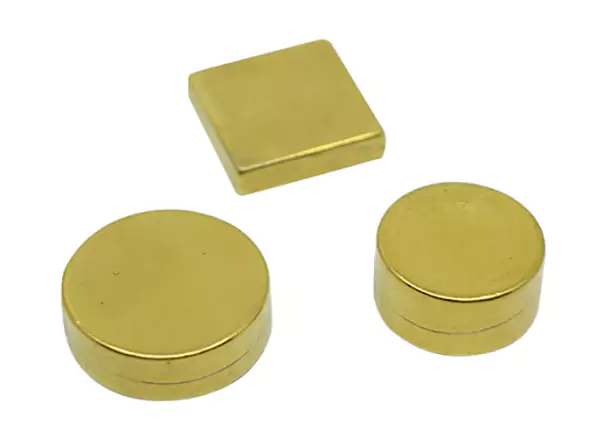
Imán revestido de titanio

Los revestimientos de titanio son ligeros y extremadamente fuertes, ofrecen una excelente resistencia a la corrosión, al desgaste y a las altas temperaturas. Estas propiedades hacen que los imanes revestidos de titanio sean adecuados para entornos difíciles como aplicaciones aeroespaciales o marinas, donde la durabilidad y el rendimiento son fundamentales. Además, su biocompatibilidad extiende su uso a imanes de grado médico en implantes y herramientas quirúrgicas.

Rodio:
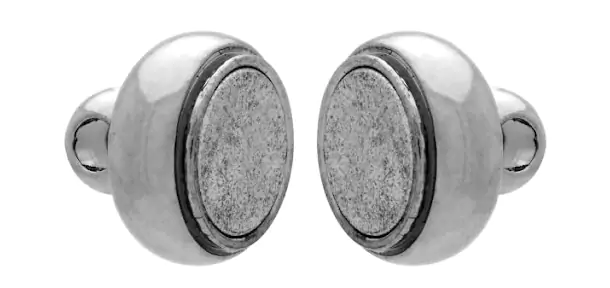
Imanes rodiados

Los revestimientos de rodio confieren a los imanes un acabado ultrabrillante y reflectante y una excelente resistencia al deslustre y la corrosión. Estas propiedades son valiosas para los imanes que se utilizan en productos decorativos de gama alta, componentes electrónicos o sistemas ópticos de precisión para garantizar la protección y la estética a largo plazo.

Cobre (Cu):
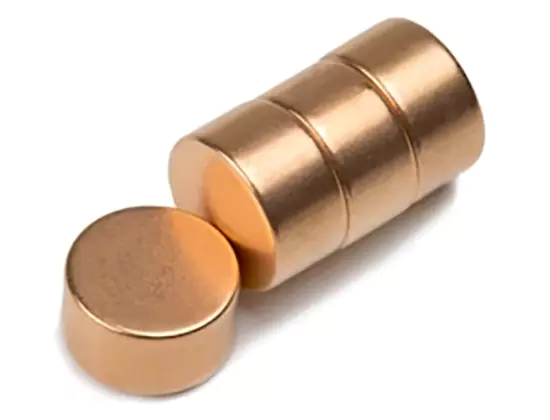
Imán revestido de cobre

Los recubrimientos de cobre mejoran la conductividad eléctrica y térmica de los imanes, lo que los hace adecuados para aplicaciones como motores eléctricos, generadores y transformadores. En los sistemas multicapa, las capas de cobre pueden mejorar el rendimiento general del imán. También los imanes recubiertos de cobre son útiles en entornos médicos debido a sus propiedades antimicrobianas naturales.

Aleación de cromo:

Los revestimientos de aleación de cromo proporcionan a los imanes una superficie dura y resistente al desgaste combinando la durabilidad del cromo con otros elementos. Este tipo de revestimiento es ideal para aplicaciones mecánicas en las que los imanes están expuestos a altas temperaturas, condiciones abrasivas o cargas pesadas para garantizar su fiabilidad a largo plazo.

Fosfatado:
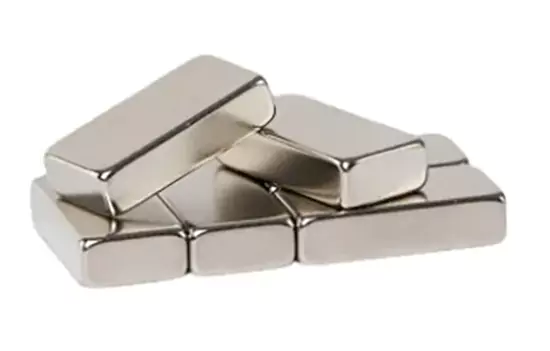
Imán fosfatado

El fosfatado crea una unión química en las superficies de los imanes que mejora la resistencia a la corrosión, reduce la fricción y prepara la superficie para tratamientos posteriores como la pintura o el pegado. Utilizados en la industria de la automoción y la maquinaria, los imanes fosfatados duran más y rinden mejor en condiciones de funcionamiento difíciles.

Otros.

Parylene C:

El parileno C es un revestimiento especial por su excelente resistencia química y propiedades dieléctricas, perfecto para imanes utilizados en electrónica y dispositivos médicos. Forma una barrera uniforme y sin agujeros de alfiler que ofrece una protección inigualable a los imanes en entornos agresivos como el procesamiento químico y la alta humedad.

Everlube:

Everlube es un revestimiento termoestable que combina PTFE, MoS₂ y resina fenólica. Este revestimiento compuesto tiene una excelente resistencia al desgaste y un rendimiento de baja fricción, perfecto para imanes de alto rendimiento en aplicaciones aeroespaciales, de defensa y otras aplicaciones críticas en las que la fiabilidad y la durabilidad son importantes.

Sn (Estaño):

Los revestimientos de estaño ofrecen una excelente resistencia a la corrosión y soldabilidad, útiles para imanes en aplicaciones electrónicas. Los imanes con revestimiento de estaño son útiles en entornos donde se requieren conexiones eléctricas fiables y estabilidad a largo plazo.

Nano Al (Nano Aluminio):

Los revestimientos de nanoaluminio utilizan nanotecnología avanzada para mejorar el rendimiento de los imanes protegiéndolos de la oxidación y la corrosión. Estos revestimientos ultrafinos de alto rendimiento también mejoran la conductividad térmica y eléctrica, lo que resulta ideal para aplicaciones de gama alta en electrónica, sistemas de energías renovables y aeroespacial.

Comparación de distintos revestimientos magnéticos
Nombre del revestimiento Abreviatura Características Instrucciones para la solicitud
Recubrimiento de níquel Ni Versátil, duradero, resistente a la corrosión y con acabados estéticos (mate, negro, etc.) Electrónica, fabricación de motores, industrias decorativas, revestimientos de imanes de neodimio
Recubrimiento de zinc Zn Económico, protección anticorrosiva de sacrificio, resistencia moderada Aplicaciones industriales, maquinaria, equipos industriales en general
Recubrimiento de cromo Cr Gran durabilidad, resistencia al desgaste y acabado reflectante Maquinaria de precisión, componentes de automoción, elementos decorativos de alta gama
Revestimiento de resina epoxi - Proporciona una excelente resistencia química y a la corrosión, protege contra la tensión mecánica y la humedad Aplicaciones en exteriores y entornos marinos, aplicaciones industriales, sistemas de vigilancia medioambiental
Revestimiento de caucho - Absorbe los golpes, mejora el agarre, disponible en varios colores Productos de consumo, juguetes, herramientas industriales especializadas, aplicaciones fáciles de usar
Revestimiento de parileno - Ultrafino, proporciona una excelente protección medioambiental sin afectar a las propiedades magnéticas Componentes magnéticos de alto rendimiento, imanes de tierras raras, sensores magnéticos de precisión, aplicaciones médicas y aeroespaciales
Recubrimiento de oro Au Conductividad eléctrica superior, mantiene las propiedades magnéticas, resistente a la corrosión Sensores magnéticos, interruptores de láminas, dispositivos magnéticos aeroespaciales y médicos
Revestimiento de plata Ag Excelente conductividad eléctrica, impacto mínimo en el flujo magnético, resistente a la corrosión Interruptores magnéticos Reed, sensores electromagnéticos, electrónica de consumo, automatización industrial
Recubrimiento de PTFE (teflón) PTFE Resistencia química, antiadherente, conserva las propiedades magnéticas Procesamiento químico, equipos de laboratorio, separadores magnéticos, agitadores magnéticos
Revestimiento de poliimida - Resistencia térmica, aislamiento eléctrico, soporta altas temperaturas Aeroespacial, automoción, electrónica avanzada, entornos de alta temperatura
Revestimiento plástico aplicado por pulverización - Resistencia a la corrosión, rentable, acabado superficial liso Automóvil, electrónica de consumo, aplicaciones industriales, proporcionando protección adicional
Revestimiento de titanio Ti Ligero, fuerte, resistente a la corrosión, resistente al desgaste, resistente a altas temperaturas Imanes aeroespaciales, marinos y de uso médico en implantes y herramientas quirúrgicas
Revestimiento de rodio - Reflectante, resistente al deslustre y a la corrosión, aporta ventajas estéticas y funcionales Productos decorativos de alta gama, componentes electrónicos, sistemas ópticos de precisión
Revestimiento de cobre Cu Mejora la conductividad eléctrica y térmica, propiedades antimicrobianas Motores eléctricos, generadores, transformadores, entornos médicos
Revestimiento de nanoaluminio Nano Al Nanotecnología avanzada, protección superior contra la oxidación y la corrosión, mejora de la conductividad Aeroespacial, electrónica, sistemas de energías renovables, aplicaciones de vanguardia
Recubrimiento de aleación de cromo - Superficie duradera, resistente al desgaste y robusta Aplicaciones mecánicas, expuestas a altas temperaturas, condiciones abrasivas
Fosfatado - Capa unida químicamente, mejora la resistencia a la corrosión, reduce la fricción Automoción, industrias de maquinaria, rendimiento a largo plazo en condiciones difíciles
Parylene C - Superior chemical resistance, dielectric properties, uniform, pinhole-free barrier Electronics, medical devices, harsh environments (chemical processing, high-humidity)
Everlube Coating - Composite of PTFE, MoS₂, and phenolic resin, wear-resistant, low-friction properties Aerospace, defense, critical industries
Tin Coating Sn Excellent corrosion resistance and solderability Electronic applications, reliable electrical connections
Revestimiento de nanoaluminio Nano Al Advanced nanotechnology, oxidation and corrosion protection, improves conductivity Electronics, renewable energy systems, aerospace technologies

We support different coating solutions such as zinc coating, chrome coating, nickel coating, epoxy, PTFE (Teflon), etc. Each coating method provides a unique combination of protection, performance enhancement and specialized features, enabling the development of increasingly advanced magnetic solutions. When choosing the right coating, we will consider the actual use needs of our customers and guide customers to choose the best magnet coating to maximize the life and reliability of magnetic components.
In addition to coatings, we also provide customized tipos de imanes to meet different industry needs. Whether you need neodymium iron boron (NdFeB), samarium cobalt (SmCo) or alnico magnets, we will ensure that the right material is selected for optimal performance. The size and shape of the magnets can also be customized, including discs, rings, blocks, cylinders or custom geometries to make them suitable for specific design requirements. The magnetization direction, axial, radial or multi-pole can also be customized to meet your project requirements.
Oscenmag combines advanced coating options, customized shapes and sizes, and performance optimization to provide fully functional and reliable and durable magnets to ensure the success of your application.

Common Types Of Multi-Layer Coating Combinations In High-Performance Magnets.

Multi layer coatings for magnets combine the best of different materials to improve magnet performance. These coatings are designed to use the strengths of each layer to meet different needs in the magnet industry. Here are some common multi layer magnet coating configurations and their uses and benefits:

Nickel + Gold (Ni Au): The Nickel + Gold (Ni Au) layer provides superior safeguarding for high-efficiency magnets through its blend of corrosion resistance and outstanding electrical conductivity. The gold coating guarantees excellent conductivity, whereas the layer of nickel foundation offers strong corrosion resistance. This nickel coating is perfect for magnetic sensors and components in precision devices, where both electrical efficiency and environmental durability are essential.

Nickel + Gold (Ni Au): The Nickel + Gold (Ni Au) layer offers superior protection for high performance magnets with its combination of corrosion resistance and excellent conductivity. The gold coating is great for conductivity, the nickel base is great for corrosion protection. This coating is ideal for magnetic sensors and components in precision devices where both electrical performance and environmental durability are key.

Nickel + Tin (Ni Sn): The Nickel + Tin (Ni Sn) layer is great for corrosion resistance and a smooth surface finish, perfect for magnetic systems in harsh environments. The tin coating adds extra protection against environmental damage so magnets used in industrial and marine applications will last longer.

Nickel + Chrome (Ni Cr): The Nickel + Chrome (Ni Cr) coating is known for its durability and looks. The chrome layer adds surface hardness and a reflective finish, the nickel layer provides base corrosion protection. This coating is used for magnets in industrial machinery and decorative magnetic assemblies where performance and appearance matter.

Nickel + Silver (Ni Ag): The Nickel + Silver (Ni Ag) layer is a balance of corrosion resistance and electrical conductivity. Great for magnetic sensors, switches and electrical assemblies where signal integrity and environmental protection are key. The silver layer is for electrical performance, the nickel base is for structural and magnetic integrity.

Nickel-Copper-Nickel (NiCuNi): The Nickel Ni Cu Ni coating is the industry standard for high performance magnet coatings. This triple layer system is great for durability, flexibility and corrosion resistance. Used in electronic devices, medical instruments and precision motors this coating ensures magnets will perform in demanding applications.

Nickel-Copper-Nickel-Tin (NiCuNiSn): The Nickel-Copper-Nickel-Tin (NiCuNiSn) layer adds a tin layer to the NiCuNi configuration for extra corrosion protection. This 4 layer combination is for magnets in extreme conditions, for maximum protection against environmental challenges and to extend life.

Nickel-Copper-Nickel-Gold (NiCuNiAu): The Nickel-Copper-Nickel-Gold (Ni Cu Ni Au) coating combines multiple layers of nickel, copper and gold for maximum corrosion resistance and conductivity. This advanced coating is for high performance magnetic components in aerospace, medical devices and specialized industrial applications where performance and longevity matter.

Nickel-Copper-Nickel-Silver (NiCuNiAg): The Nickel-Copper-Nickel-Silver (NiCuNiAg) layer is for applications that require high electrical conductivity and anti-corrosion properties. This combination ensures magnets in electronic devices, sensor systems and magnetic assemblies will be durable where performance and environmental protection are key.

Nickel-Copper + Epoxy (NiCu Epoxy): The Nickel-Copper + Epoxy (NiCu Epoxy) coating combines the strength of metal layers with the protection of epoxy. This hybrid coating is for magnets exposed to chemicals, moisture and mechanical stress like those used in industrial, marine and outdoor applications. The epoxy layer ensures long term durability without compromising magnetic properties.

Zinc + Epoxy (Zn Epoxy): The Zinc + Epoxy (Zn Epoxy) coating is a budget friendly option for magnet protection. The zinc layer is sacrificial corrosion protection, the epoxy layer is a barrier against moisture and chemicals. Great for magnets in agricultural machinery, industrial equipment and mild environmental applications.

The development of multi layer magnet coating technologies is the fusion of materials science, nanotechnology and precision engineering. As industrial applications get more complex these coatings will evolve to give more responsive high performance solutions for magnet protection and enhancement in various industries.

Selecting the right coating combination is about environmental exposure, mechanical stress, electrical performance requirements and budget. Each combination is engineered to optimize magnetic components in various technology domains, showcasing the power of materials engineering in the magnet coating industry.

Preguntas frecuentes

El mejor revestimiento para los imanes depende de la aplicación, pero el níquel-cobre-níquel (Ni-Cu-Ni) es el más utilizado para los imanes de neodimio. La aplicación del recubrimiento de tres capas de níquel-cobre-níquel tiene una excelente resistencia a la corrosión, textura suave, sólida adherencia, no toxicidad y aspecto elegante.

La galvanoplastia es un proceso habitual para formar una película metálica protectora en la superficie de los imanes. Pero todos los recubrimientos galvánicos deben completarse en fábrica antes de magnetizar los imanes. Porque el calor generado por el proceso de galvanoplastia desmagnetizar los imanes.

Hay tres tipos de imanes.

  • Los imanes permanentes no necesitan suministro de corriente de fuentes externas y el magnetismo permanece intacto.
  • Los imanes temporales son aquellos que se magnetizan sólo cuando se les aplica un campo magnético y cuando éste se retira pierden el magnetismo.
  • Los electroimanes son creados por una corriente que fluye a través de un revestimiento de alambre magnético envuelto alrededor de una bobina y pueden encenderse o apagarse con la ayuda de una fuente de alimentación.

Haga clic aquí para obtener una explicación más detallada de los tipos de imanes.

Los revestimientos cerámicos se encuentran entre los más eficaces. Dado que estos revestimientos ofrecen una superficie extraordinariamente sólida y resistente a la corrosión que es difícil de desgastar, rayar y desgarrar, son adecuados para entornos difíciles. Los revestimientos cerámicos aplicados por pulverización térmica o vapor químico proporcionan una excelente conductividad térmica al tiempo que son químicamente resistentes. 

El chapado de imanes es un proceso que consiste en añadir una capa protectora a la superficie de un imán. Esta capa ayuda a evitar la oxidación y la corrosión, lo que es especialmente importante para los imanes de neodimio, que pueden oxidarse rápidamente.

Scroll al inicio