
¿Alguna vez ha sacado su imán de pesca del almacén y se ha dado cuenta de que ha perdido fuerza? O peor aún, ¿ha descubierto que está oxidado y no se puede reparar?
Sí, eso es un problema.
La cuestión es: cómo guardar correctamente un imán de pesca puede significar la diferencia entre una herramienta que dura años y otra que está muerta después de una sola temporada.
He estado pescando imanes desde 2019. Y en ese tiempo, he aprendido (a veces de la manera difícil) lo que funciona y lo que no cuando se trata de almacenamiento de imanes.
Hoy, como profesional proveedor de imanes de pesca, te voy a enseñar exactamente cómo guardar tus imanes de pesca como un profesional.
Vamos a sumergirnos.
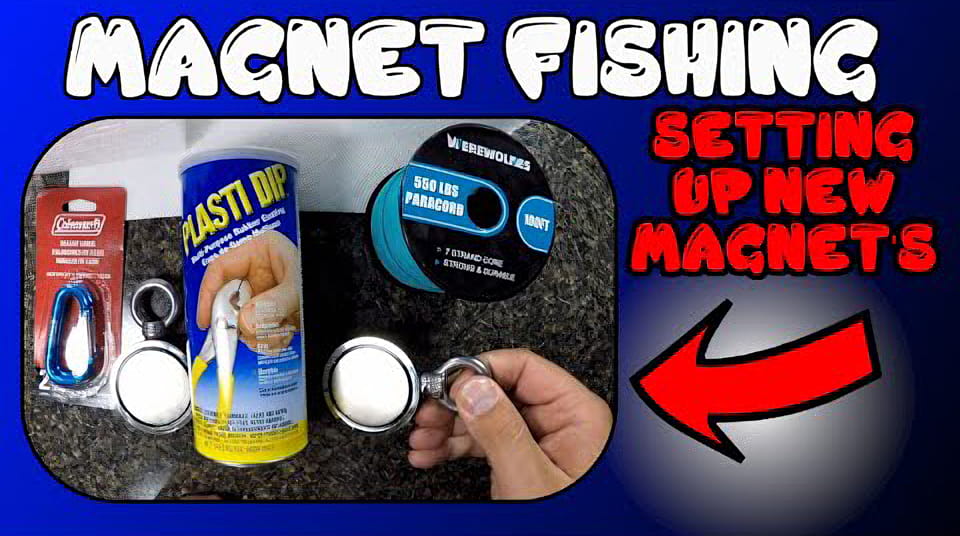
Por qué un almacenamiento adecuado es más importante de lo que cree
Este es el trato:
Los imanes de neodimio son resistentes. Pero no son invencibles.
De hecho, un almacenamiento inadecuado puede provocar:
- Corrosión y óxido (especialmente después de su uso en agua salada)
- Imanes astillados o agrietados
- Fuerza magnética debilitada
- Peligros para la seguridad en torno a la electrónica y los niños
Aprendí esta lección por las malas cuando dejé mi primer imán de 300 libras en un garaje húmedo. ¿Tres meses después? Completamente oxidado.
$60 por el desagüe.
Pero la cuestión es la siguiente: si se almacenan correctamente, los imanes pueden durar literalmente décadas.
Cómo guardar un imán de pesca
Permíteme que te explique mi sistema de almacenamiento exacto, que ha mantenido mis imanes en perfectas condiciones durante años.
Paso 1: Limpiar y secar (cada vez)
Esto no es negociable.
Después de cada sesión de pesca:
- Aclarar con agua dulce (especialmente después de su uso en agua salada)
- Secar completamente con un paño de microfibra
- Aplique una ligera capa de WD-40 o aceite para máquinas
- Limpiar el exceso
Consejo profesional: Llevo un kit de limpieza específico en el coche. Tardas 5 minutos y ahorras cientos de euros en recambios.
Paso 2: Elegir el contenedor adecuado
No todos los contenedores de almacenamiento son iguales.
Esto es lo que mejor funciona:
Caja de plástico
- Material no magnético
- Múltiples compartimentos
- Portátil
- Coste: $15-30
Estuche rígido forrado de espuma
- Máxima protección
- Aspecto profesional
- Ideal para varios imanes
- Coste: $30-50
Caja de madera
- Natural, no magnético
- Puede ser de bricolaje
- Opción de almacenamiento clásico
- Coste: $20-40
¿En resumidas cuentas? Evitar los envases metálicos a toda costa. (A menos que disfrutes arrancando tu imán de una estantería de acero).
Paso 3: Crear separación
Imanes fuertes almacenados juntos = desastre a punto de ocurrir.
He aquí cómo mantenerlos separados:
- Utilice separadores de espuma entre imanes
- Almacenar en compartimentos individuales
- Conserve al menos 15 cm entre imanes fuertes
- Utilice bloques de madera como espaciadores
Una vez dos imanes de 500 libras chocaron entre sí. El impacto los astilló a ambos.
Caro error.
Ubicación, ubicación, ubicación
El lugar de almacenamiento de los imanes es tan importante como su forma.
El lugar de almacenamiento ideal tiene:
- Humedad baja (por debajo de 50%)
- Temperatura estable (60-75°F)
- Sin luz solar directa
- Lejos de la electrónica
- Fuera del alcance de los niños
Evite estos lugares:
- Sótanos húmedos
- Áticos calientes
- Cerca de los conductos de calefacción
- Estanterías metálicas
- Maleteros de automóviles (oscilaciones de temperatura)
Técnicas avanzadas de almacenamiento
¿Quiere ir un paso más allá? Estas técnicas profesionales mantendrán tus imanes impecables.
El método de la barra conservadora
Esta técnica de la vieja escuela mantiene la fuerza magnética durante el almacenamiento a largo plazo.
Basta con colocar un trozo de acero entre los polos del imán. Esto “cierra el circuito” y preserva el campo magnético.
(Especialmente útil para imanes almacenados más de 6 meses).
Protección VCI
El papel inhibidor de la corrosión por vapor (VCI) cambia las reglas del juego en la prevención de la oxidación.
Envuelva su imán limpio y seco en papel con VCI antes de guardarlo. El papel libera moléculas que crean un escudo invisible contra la corrosión.
Coste: Alrededor de $20 por 50 hojas. Merece la pena cada céntimo.
El sistema de cubos
Para el almacenamiento pesado, utilizo el método del cubo:
- Consigue un Cubo de plástico de 5 galones
- Línea con espuma de célula cerrada
- Coloque el imán en el centro
- Rellene el espacio circundante con cacahuetes de embalaje
- Precinto con tapa
Este sistema es a prueba de bombas. Y portátil.
Consideraciones de seguridad que podrían salvarle los dedos (o algo peor)
Hablemos de seguridad.
Porque a un imán de 1.000 libras no le importan tus dedos.
Normas de seguridad esenciales:
- Etiquétalo todo claramente (“IMÁN FUERTE - MANTÉNGASE LEJOS DE LOS ELECTRÓNICOS”)
- Tienda mínimo 12 pulgadas de tarjetas de crédito y discos duros
- Utilice adhesivos de advertencia sobre contenedores
- Visite bloqueado si hay niños presentes
- No almacenar nunca cerca de marcapasos o productos sanitarios
Hablando en serio: He visto dedos aplastados entre imanes fuertes. No es bonito.
Consideraciones especiales para los distintos tipos de imanes
No todos los imanes de pesca son iguales. Las necesidades de almacenamiento varían según el tipo.
Imanes de una cara
- Guarde el cáncamo hacia arriba
- Acolchado en el fondo para evitar arañazos
- Pueden apilarse con el espaciado adecuado
Imanes de doble cara
- Nunca apilar directamente
- Utilizar compartimentos individuales
- Acolchado extra en ambos lados
Imanes de garfio
- Si es posible, retire los ganchos
- Envolver los ganchos en plástico de burbujas
- Almacenar horizontalmente
Consejos para el almacenamiento estacional
¿Planea guardar su imán para el invierno? Aquí tienes la lista de comprobación:
Preparación previa al almacenamiento:
- Limpieza profunda con desengrasante
- Inspección de daños
- Solicitar antioxidante
- Documentar el estado con fotos
- Actualice su registro de pesca con imán
Cheques mensuales:
- Inspección visual de óxido
- Posición de rotación (evita el asentamiento)
- Comprobar el entorno de almacenamiento
- Prueba de fuerza magnética
Errores comunes de almacenamiento (y cómo evitarlos)
Veo estos errores constantemente en foros de pesca con imanes.
Error #1: La caja de herramientas de metal
La gente cree que “almacenamiento magnético” significa almacenar SOBRE metal. Error. Tu imán se pegará tan fuerte que necesitarás una palanca.
Solución: Sólo contenedores no magnéticos.
Error #2: La cuerda mojada
Guardar el imán con una cuerda húmeda es buscarse problemas.
Solución: Retire la cuerda o asegúrese de que está 100% seca.
Error #3: El método de la pila
¿Meter todos los imanes en la misma caja? Eso es una receta para imanes astillados y dedos pellizcados.
Solución: Compartimentos de almacenamiento individuales.
Soluciones de almacenamiento asequibles
¿No estás listo para gastar $50 en una caja? Lo entiendo.
He aquí alternativas asequibles:
Solución de espuma DIY
- Comprar planchas de espuma en una tienda de manualidades ($5)
- Recipiente de plástico recortado
- Crear compartimentos personalizados
- Coste total: Menos de $10
La brigada del cubo
- Utiliza cubos pequeños de la tienda del dólar
- Un imán por cubo
- Apilable para ahorrar espacio
- Coste total: $3-5 por imán
Opciones de reutilización
- Viejas cajas de aparejos
- Envases de plástico para alimentos
- Cajas de munición (de plástico)
- Organizadores de herramientas
¿La clave? Piensa en no magnético y protector.
Almacenamiento a largo plazo (más de 6 meses)
¿Va a guardar su imán durante mucho tiempo? Los pasos adicionales son cruciales.
Protocolo a largo plazo:
- Limpiar más a fondo de lo habitual
- Aplicar una capa de aceite más gruesa
- Doble envoltura en papel VCI
- Utilice paquetes de gel de sílice para controlar la humedad
- Almacenar en un lugar con clima controlado
- Establezca recordatorios de calendario para las comprobaciones periódicas
Dato curioso: los imanes de neodimio almacenados correctamente sólo pierden 1% de fuerza cada 100 años.
(Tu imán te sobrevivirá.)
Lista de almacenamiento de referencia rápida
Imprímelo y guárdalo en tu kit de pesca con imanes:
- Aclarar con agua dulce
- Secar completamente
- Aplicar revestimiento protector
- Elija el contenedor adecuado
- Garantizar un espaciado adecuado
- Etiquetar claramente
- Almacenar en lugar fresco y seco
- Manténgase alejado de los aparatos electrónicos
- A salvo de los niños
- Programar inspecciones periódicas
Lo esencial del almacenamiento magnético
Esto es lo que ocurre:
Un almacenamiento adecuado no es complicado. Pero ES necesario.
Cinco minutos de almacenamiento adecuado después de cada viaje pueden añadir AÑOS a la vida de su imán.
Y teniendo en cuenta que los imanes de pesca de calidad cuestan entre $50 y 200+, es una inversión que merece la pena.
¿Cuáles son las principales conclusiones?
- Siempre limpio y seco su imán después de usarlo
- Utilizar recipientes no magnéticos con el relleno adecuado
- Controlar el entorno (fresco, seco, estable)
- Dar prioridad a la seguridad para ti y para los demás
- Comprobar periódicamente por temas
Siga estas pautas y su imán de pesca le servirá para innumerables aventuras.
Ahora sal ahí fuera y encuentra algún tesoro. Acuérdate de guardar bien el imán cuando acabes.
Porque aprender cómo guardar un imán de pesca correctamente no se trata sólo de proteger su inversión, sino de garantizar que cada salida de pesca con imán sea tan satisfactoria como la primera.