Hat Sie schon einmal das laute “KLICK” einer Schranktür um 2 Uhr morgens genervt? Oder hatten Sie schon einmal Probleme mit einem klemmenden mechanischen Verschluss, der einfach nicht so recht funktionieren wollte?
Was ist ein Magnetverschluss?
Ein Magnetverschluss ist ein einfacher Mechanismus zum Verschließen von Türen, Schränken und Toren, der anstelle mechanischer Teile Magnetkraft nutzt. Im Gegensatz zu herkömmlichen Verschlüssen mit Federn und Riegeln arbeiten Magnetverschlüsse geräuschlos durch die unsichtbare Anziehungskraft des Magnetismus.
Stell dir das mal so vor: Es gibt zwei Hauptkomponenten, die zusammenwirken. Einen Magneten (der meist in Kunststoff oder Metall eingebettet ist) und eine Metallanschlagplatte. Wenn sie sich nahe genug kommen? BAM. Das Magnetfeld setzt ein und hält deine Tür geschlossen.
Kein Klicken. Kein Verklemmen. Einfach ein reibungsloser, geräuschloser Betrieb.
In diesem Leitfaden werden Sie als Fachmann Anbieter von Magnetverschlüssen, werde ich euch alles darüber erzählen.
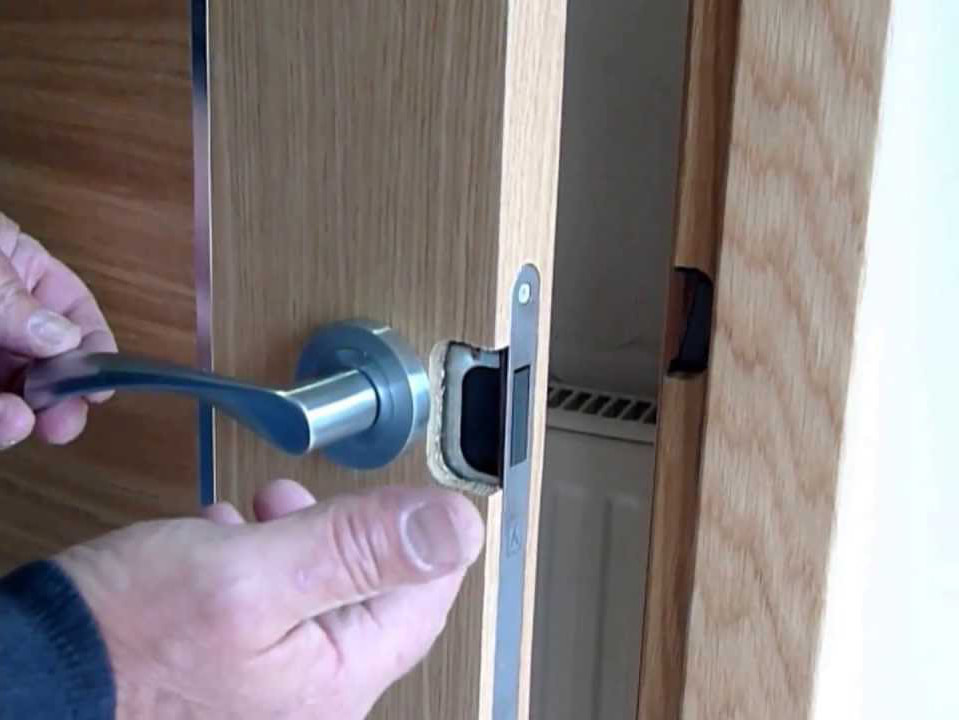
Wie funktioniert eigentlich ein Magnetverschluss?
Lassen Sie mich das für Sie aufschlüsseln.
Der Zauber entsteht durch einfache physikalische Gesetzmäßigkeiten. Hier ist die Schritt-für-Schritt-Anleitung:
- Die Magnetkomponente: Das wird am Türrahmen befestigt. Meistens kommen Permanentmagnete zum Einsatz (obwohl bei einigen ausgefalleneren Modellen Elektromagnete verwendet werden).
- Die Schließplatte: Ein einfaches Stück ferromagnetisches Metall (in der Regel Stahl), das an der Tür selbst befestigt ist.
- Die Attraktion: Wenn Sie die Tür schließen, gelangt die Schließleiste in das Magnetfeld. Die unsichtbare Kraft zieht beide Teile aneinander und hält sie fest zusammen.
- Eröffnung: Zieh einfach mit genügend Kraft, um die magnetische Anziehungskraft zu überwinden. So einfach ist das.
Und das Beste daran? Es gibt buchstäblich nichts, was kaputtgehen könnte. Keine Federn, die verschleißen könnten. Keine Mechanismen, die geschmiert werden müssten.
(Ich habe seit 8 Jahren dieselben Magnetverschlüsse an meinen Werkstattschränken. Sie funktionieren immer noch wie am ersten Tag.)
Warum Magnetverschlüsse herkömmliche Beschläge übertreffen
Hör mal, ich verstehe schon. Mechanische Verschlüsse gibt es schon seit Ewigkeiten. Aber hier ist der Grund, warum magnetische Varianten sich zunehmend durchsetzen:
Geräuschloser Betrieb
Herkömmliche Verschlüsse machen jedes Mal ein “Klick-Klack”-Geräusch. Magnetverschlüsse? Völlig geräuschlos. Perfekt für:
- Küchenschränke in offenen Wohnkonzepten
- Schlafzimmermöbel
- Büroumgebungen
- Jeder Ort, an dem Lärm eine Rolle spielt
Langlebigkeit, die wirklich Bestand hat
Keine beweglichen Teile = kein Verschleiß. Nach meinen Tests halten hochwertige Magnetverschlüsse 3- bis 5-mal länger als mechanische.
Selbstschließende Bewegung
Das ist echt cool: Wenn man eine Tür einen Spalt offen lässt, haben viele Magnetverschlüsse genug Zugkraft, um sie vollständig zu schließen. Versuchen Sie das mal mit einem mechanischen Verschluss.
Schlichte Ästhetik
Man kann diese Teile komplett verbergen. Es ragt keine Hardware hervor. Nur klare Linien und minimalistisches Design.
Arten von Magnetverschlüssen, die es gibt
Nicht alle Magnetverschlüsse sind gleich. Hier sind die wichtigsten Vertreter:
Magnetverschlüsse für Schränke
Die Arbeitstiere unter den Geräten. Diese unauffälligen Geräte findet man in den meisten Küchen. Sie bieten in der Regel:
- 8–15 lbs Haltekraft
- Einfache Montage durch Anschrauben
- Kompatibilität mit Push-to-Open-Systemen
Hochbelastbare Torverriegelungen
Für den Einsatz im Freien konzipiert. Diese robusten Geräte halten Folgendem stand:
- Über 40 lbs Haltekraft
- Wetterfeste Gehäuse
- Sicherheitsvorrichtungen für Pooltore
Touch-Verschlüsse
Die schicke Variante. Einmal auf die Tür drücken, und sie springt auf. Noch einmal drücken, und der Magnet zieht sie wieder zu. Ganz ohne Griffe.
Elektromagnetische Verriegelungen
Die Wahl für höchste Sicherheit. Diese Geräte benötigen Strom, bieten aber:
- 500–1.000+ lbs Haltekraft
- Integration in Zutrittskontrollsysteme
- Optionen „Fail-safe“ oder „Fail-secure“
Profi-Tipp: Passen Sie die Schließkraft an das Gewicht Ihrer Tür an. Ist sie zu schwach, hält sie nicht. Ist sie zu stark, lässt sich die Tür nur schwer öffnen.
Wo Magnetverschlüsse ihre Stärken ausspielen (Praxisbeispiele)
Ich habe gesehen, dass diese Dinge überall zum Einsatz kommen. Aber bei manchen Anwendungen macht das einfach absolut Sinn:
Küchenschränke
Hier kommt der Magnetverschluss #1 zum Einsatz. Warum? Weil Sie diese Türen Dutzende Male am Tag öffnen. Die leichtgängige und geräuscharme Funktion zahlt sich aus.
Wohnmobile und Boote
Vibrationen sind der Feind mechanischer Verschlüsse. Aber magnetische? Die halten auch auf holprigen Straßen und bei rauer See sicher.
Medizinische Einrichtungen
Krankenhäuser schätzen diese, weil:
- Kein Lärm, der die Patienten stört
- Leicht zu reinigen (keine Spalten, in denen sich Keime ansammeln können)
- Zuverlässige Bedienung mit Handschuhen
Industriegehäuse
Wenn Sie schnellen Zugriff auf Schaltschränke oder Maschinen benötigen, sind Magnetverschlüsse die ideale Lösung. Kein umständliches Hantieren mit Verschlüssen, während Sie Werkzeuge in der Hand halten.
Installation: Einfacher als Sie denken
Das Schöne an Magnetverschlüssen ist: Die Montage ist kinderleicht.
Grundlegende Installationsschritte:
- Markiert eure Positionen: Schließen Sie die Tür und markieren Sie die Stelle, an der sich der Magnet und die Schließplatte berühren werden.
- Den Magneten anbringen: In der Regel nur 2–3 Schrauben am Rahmen
- Befestigen Sie die Schließplatte: Das Gleiche gilt für die Tür
- Testen und Anpassen: Die meisten Verriegelungen lassen sich durch leichtes Hin- und Herbewegen etwas nachjustieren
Das war’s. Im Ernst.
(Ich habe 12 davon in weniger als einer Stunde in meiner Küche angebracht. Versuchen Sie das mal mit mechanischen Verschlüssen.)
Die Wahl des richtigen Magnetverschlusses
Du bist dir nicht sicher, welches du wählen sollst? Hier ist mein Leitfaden:
Berücksichtigen Sie das Gewicht Ihrer Tür
- Leichte Schränke: 8–12 lbs Kraft
- Standardtüren: 15–20 lbs Kraft
- Schwere Türen: Kraft von mehr als 25 lbs
Überprüfen Sie Ihre Umgebung
Im Innenbereich? Entscheiden Sie sich für die Standardausführung. Im Außenbereich? Hier benötigen Sie wetterfeste Varianten.
Denken Sie über die Frequenz nach
In stark frequentierten Bereichen bewähren sich stärkere Magnete, die auch mit der Zeit nichts von ihrer Haftkraft einbüßen.
Das Material ist entscheidend
- Neodym-Magnete: Die robusteste Variante, ideal für schwere Türen
- Keramische Magnete: Preisgünstig, ideal für leichte Arbeiten
- Alnico-Magnete: Beste Temperaturbeständigkeit
Die verborgenen Vorteile, über die niemand spricht
Nachdem ich diese nun schon seit Jahren nutze, sind mir einige unerwartete Vorteile aufgefallen:
Kindersicherheit: Keine Klemmstellen oder beweglichen Teile, an denen sich kleine Finger verfangen könnten. Außerdem gibt es Modelle, die so stabil sind, dass Kleinkinder sie nicht öffnen können.
Geringerer Verschleiß an den Türen: Mechanische Verschlüsse verursachen Belastungspunkte. Magnetverschlüsse verteilen die Kraft gleichmäßig.
Zukunftssicherung: Mit der Weiterentwicklung der Smart-Home-Technologie lassen sich elektromagnetische Verriegelungen nahtlos in Zugangskontrollsysteme integrieren.
Häufig zu vermeidende Fehler
Ich möchte Ihnen ein paar Kopfschmerzen ersparen:
Übertreibe es nicht mit der Kraft: Stärker ist nicht immer besser. Passen Sie die Kraft an Ihren tatsächlichen Bedarf an.
Achte auf deine Lücken: Die Magnetkraft nimmt mit zunehmender Entfernung schnell ab. Halten Sie die Schließplatte daher in der Nähe.
Berücksichtigen Sie das Material: Magnetverschlüsse funktionieren nicht an Aluminium- oder Messingtüren, die nicht mit einer Stahl-Schließleiste ausgestattet sind.
Die Temperatur spielt eine Rolle: Herkömmliche Magnete verlieren bei extremer Hitze an Haftkraft. Verwenden Sie für den Einsatz im Backofen oder im Freien in heißen Klimazonen Magnete, die für hohe Temperaturen ausgelegt sind.
Magnetisch vs. mechanisch: Der echte Vergleich
| Merkmal | Magnetische Verriegelung | Mechanische Verriegelung |
|---|---|---|
| Geräuschpegel | Stumm | Deutliches Klicken |
| Bewegliche Teile | Keine | Mehrere |
| Lebensdauer | 10+ Jahre | 3–5 Jahre |
| Wartung | Null | Regulär |
| Einrichtung | Einfach | Mäßig |
| Kosten | $5-50 | $3-30 |
| Anpassung | Begrenzt | Umfangreich |
Das Fazit? Bei den meisten Anwendungen hat die Magnettechnik die Nase vorn.
Fehlerbehebung bei Magnetverschlüssen
Haben Sie Probleme? Hier ist Ihre Liste mit Lösungen:
Schwache Position
- Überprüfen Sie den Abstand (er sollte weniger als 1/8″ betragen).
- Reinigen Sie beide Oberflächen
- Ersetzen Sie den Magneten, wenn er alt ist (die Magnetkraft lässt mit der Zeit nach).
Die Tür bleibt nicht geschlossen
- Ausrichtung der Tür überprüfen
- Auf Verformungen prüfen
- Auf einen stärkeren Magneten umrüsten
Zu schwer zu öffnen
- Auf einen schwächeren Magneten umstellen
- Füge einen Griff hinzu, um die Hebelwirkung
- Montageposition anpassen
Die Zukunft der Magnetverschlüsse
Das steht uns ab 2026 und darüber hinaus bevor:
Intelligente Integration: Elektromagnetische Verriegelungen, die erkennen, wer sie wann öffnet.
Einstellbare Stärke: Magnete, die ihre Haftkraft nach Bedarf verändern können.
Unsichtbare Installation: Vollständig verdeckte Systeme, die keinerlei sichtbare Spuren hinterlassen.
Der Wechsel: Lohnt es sich?
Nachdem ich Hunderte dieser Geräte installiert habe, ist das meine Einschätzung:
Wenn Sie Wert auf einen leisen Betrieb, minimalen Wartungsaufwand und ein klares Design legen, sind Magnetverschlüsse die naheliegende Wahl. Die etwas höheren Anschaffungskosten machen sich durch Langlebigkeit und Zufriedenheit schnell bezahlt.
Allerdings sind sie nicht für alles geeignet. Bei Anwendungen mit hohen Sicherheitsanforderungen sind nach wie vor mechanische Sicherungsvorrichtungen erforderlich. Und manche klassischen Designs sehen mit sichtbarer Hardware einfach besser aus.
Abschließende Gedanken
Was ist ein Magnetverschluss? Er ist mehr als nur ein cleverer Türverschluss. Er ist eine einfache Lösung für ein universelles Problem – Dinge geschlossen zu halten, ohne den Lärm, die Komplexität und den Wartungsaufwand herkömmlicher Beschläge.
Ganz gleich, ob Sie Ihre Küchenschränke modernisieren, Industriegehäuse entwerfen oder einfach nur genug von quietschenden Verschlüssen haben – magnetische Lösungen sind die richtige Wahl. Sie sind geräuscharm, zuverlässig und überraschend vielseitig einsetzbar.
Die Technologie hat sich bewährt. Die Vorteile liegen auf der Hand. Und die Installation ist einfacher denn je.
Vielleicht ist es an der Zeit, den Magnetismus die Arbeit machen zu lassen.