Wichtigste Erkenntnisse:
- Ein Angelmagnet ist ein starker Neodym-Magnet in einem schützenden Stahlgehäuse, der dazu verwendet wird, Metallgegenstände mit einer Zugkraft von 300-2000+ Pfund aus dem Wasser zu holen.
- Anfänger sollten mit einem einseitigen Magneten von 500-800 Pfund, einem geeigneten Seil und einer Sicherheitsausrüstung für eine Gesamtinvestition von etwa $75-100 beginnen.
- Informieren Sie sich vor dem Magnetfischen immer über die örtlichen Gesetze, tragen Sie Schutzhandschuhe und melden Sie gefundene Waffen der Polizei.
- Auch wenn Sie wahrscheinlich nicht reich werden, bietet das Magnetfischen ein Abenteuer in der freien Natur, Vorteile bei der Umweltsanierung und den Nervenkitzel, alles von Werkzeugen bis zu historischen Artefakten zu entdecken.
Haben Sie sich schon einmal gefragt, was Menschen tun, die an Seilen befestigte Magnete in Flüsse und Seen werfen? Sie fischen mit Magneten - und das ist eines der am schnellsten wachsenden Outdoor-Hobbys überhaupt.
Was ist ein Angelmagnet?
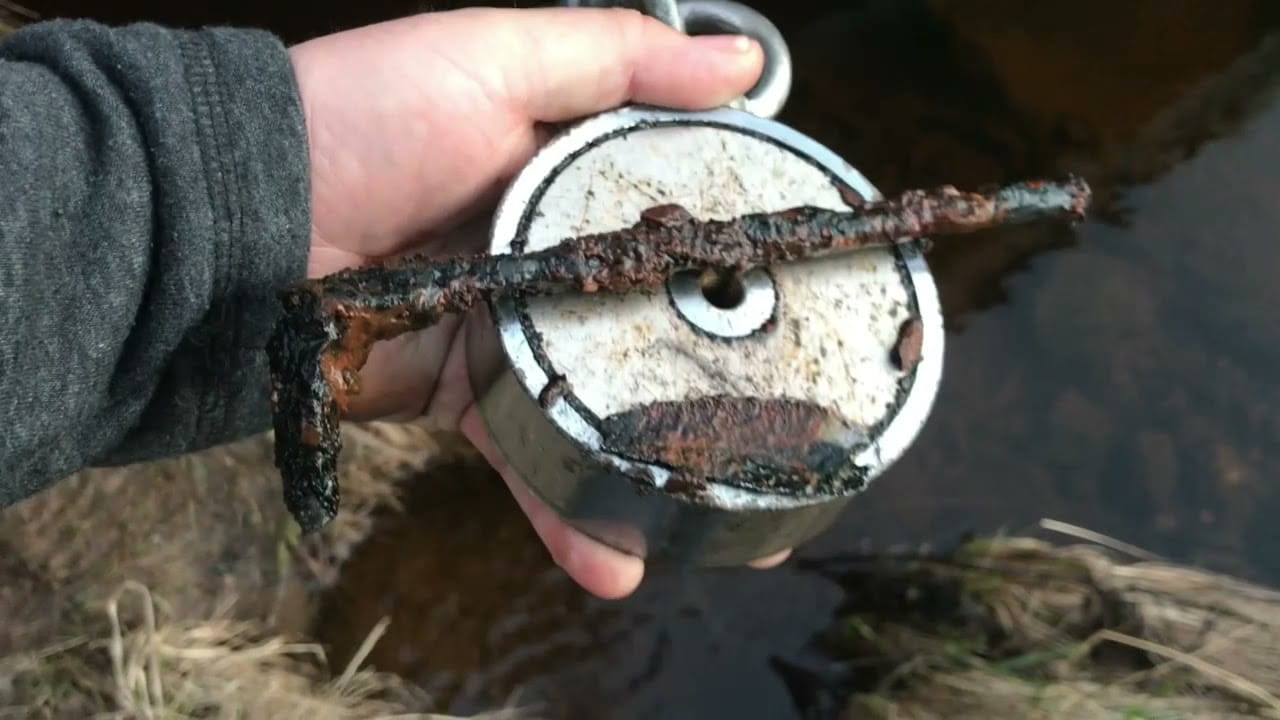
Der Angelmagnet ist ein starker Neodym-Magnet (in der Regel in einem schützenden Stahlgehäuse), der speziell für die Bergung von Metallgegenständen aus dem Wasser entwickelt wurde. Das sind keine gewöhnlichen Kühlschrankmagnete - wir sprechen hier von Magneten, die stark genug sind, um Fahrräder, Tresore und sogar Motorräder vom Grund von Flüssen und Seen hochzuziehen.
Das Magnetfischen hat in den letzten Jahren stark an Popularität gewonnen. Und das aus gutem Grund. In diesem Beitrag, als ein professioneller Angelmagnet Lieferant, Ich werde alles darüber erzählen, was Sie wissen müssen.
Warum Magnetfischen auf dem Vormarsch ist
Überlegen Sie es sich:
In jedem Gewässer liegen Metallgegenstände im Wert von Jahrzehnten (manchmal Jahrhunderten) auf dem Grund. Verlorene Werkzeuge, ausrangierte Fahrräder, historische Artefakte, und ja - sogar der eine oder andere Schatz.
Eine kürzlich durchgeführte Umfrage ergab, dass 68% der Magnetfischer innerhalb ihres ersten Monats etwas gefunden haben, das sie als “wertvoll” betrachten.
Aber das kratzt nur an der Oberfläche.
Wie Angelmagnete funktionieren
Ein Angelmagnet ist nicht kompliziert.
Sie besteht im Wesentlichen aus drei Komponenten:
- Ein Neodym-Magnet (der stärkste verfügbare Dauermagnet)
- Ein Stahlgehäuse (schützt den spröden Magneten und bündelt das Magnetfeld)
- Eine Ringschraube zur Befestigung (zur Sicherung des Seils)
Der Zauber entsteht, wenn man diese Elemente kombiniert.
Das Stahlgehäuse erfüllt zwei wichtige Aufgaben:
Erstens schützt es den Magneten vor Bruch. (Neodym ist unglaublich stark, aber auch spröde - wenn er auf Beton fällt, zerbricht er.)
Zweitens wird das Magnetfeld auf eine oder zwei Seiten konzentriert, so dass es in diesen Richtungen VIEL stärker ist.
Profi-Tipp: Einseitige Magnete können auf ihrer magnetischen Fläche eine 5x höhere Anziehungskraft haben als ein blanker Magnet derselben Größe.
Arten von Angelmagneten (und welche Sie brauchen)
Nicht alle Angelmagnete sind gleich.
Tatsächlich kann die Wahl des falschen Typs den Unterschied ausmachen, ob man tolle Funde macht oder mit leeren Händen nach Hause geht.
Ich möchte die drei Haupttypen aufschlüsseln:
Einseitige Magnete
Dies sind die klassischen Angelmagnete. Sie haben eine magnetische Fläche (in der Regel die Unterseite) mit all der Anziehungskraft dort konzentriert.
Zugkraft: 300-1.200+ Pfund
Geeignet für: Anfänger, Senkrechtstarter, gezieltes Anvisieren von Stellen
Preisspanne: $20-80
Das Schöne an einseitigen Magneten? Sie sind einfacher zu handhaben. Objekte haften nur an einer Seite, sodass Sie nicht damit kämpfen müssen, Fundstücke von mehreren Oberflächen zu entfernen.
Doppelseitige Magnete
Stellen Sie sich ein Magnet-Sandwich vor - zwei Neodym-Magnete mit Stahlplatten auf beiden Seiten und die Ringschraube in der Mitte.
Zugkraft: 600-1.000+ lbs (kombiniert)
Geeignet für: Entlang des Bodens schleifen, mehr Fläche abdecken
Preisspanne: $40-120
Diese bösen Buben bieten eine doppelt so große Oberfläche zum Einfangen von Objekten. Perfekt, wenn Sie “Schleppangeln” von einer Brücke oder Boot sind.
360° Magnete
Die neuesten Kinder auf dem Block. Diese Magnete sind auf ALLEN Seiten magnetisch - nicht nur oben und unten.
Zugkraft: 500-2.000+ Pfund
Geeignet für: Maximale Reichweite, erfahrene Nutzer
Preisspanne: $60-200+
Die Sache mit den 360°-Magneten ist die:
Sie sind unglaublich effektiv, aber auch schwierig zu handhaben. Alles bleibt aus jedem Winkel an ihnen kleben.
Was Sie mit Angelmagneten tatsächlich finden können
Bleiben wir mal kurz realistisch.
Wahrscheinlich wirst du auf deiner ersten Reise nicht gleich eine Truhe voller Goldmünzen finden. (Obwohl es schon passiert ist!)
Aber hier ist, was die meisten Leute tatsächlich abrufen:
Gemeinsame Funde:
- Angelhaken und Köder (ironisch, nicht wahr?)
- Werkzeuge (Schraubenschlüssel, Hämmer, Schraubenzieher)
- Fahrräder und Motorroller
- Einkaufswagen
- Eisenbahnnägel
- Münzen und Schlüssel
- Metallschrott
Aufregende Funde:
- Tresore (normalerweise leer, aber trotzdem cool)
- Waffen (Messer, manchmal Pistolen)
- Historische Artefakte
- Schmuck
- Motorräder
- Alte Schilder
Ein Kumpel von mir fand ein Gewehr aus dem Zweiten Weltkrieg in einem Fluss in Deutschland. Ein anderer zog ein Motorrad aus einer Gracht in Amsterdam.
Der Punkt ist: Man weiß nie, was da unten ist.
Erste Schritte: Ihr erstes Magnetfischer-Setup
Sind Sie bereit, es auszuprobieren?
Hier ist genau das, was Sie brauchen:
1. Der Magnet
Für Anfänger empfehle ich, mit einer 500-800 lb einseitiger Magnet.
Und warum? Er ist stark genug, um große Fundstücke hochzuziehen, aber nicht so stark, dass er dauerhaft an einem Brückenpfeiler hängen bleibt.
(Glauben Sie mir, es macht keinen Spaß, einen $60-Magneten bei seinem ersten Einsatz zu verlieren).
2. Das Seil
Sparen Sie hier nicht.
Sie benötigen:
- 65+ Füße Seil (besser sind 100 Fuß)
- Hochfestes Nylon oder Paracord
- 6-8 mm Dicke Minimum
Das Seil ist deine Rettungsleine zu deinem Magneten. Wenn es reißt, ist dein Magnet für immer weg.
3. Unverzichtbare Ausrüstung
Handschuhe: Strapazierfähige Arbeitshandschuhe sind nicht verhandelbar. Rostiges Metall = Tetanusrisiko.
Eimer: Für Ihre Fundstücke (und Abfälle - seien Sie ein guter Verwalter!)
Gewindeschrank: Tragen Sie es auf Ihre Ösenschraube auf, damit sie sich nicht unter Wasser lösen kann.
Erste-Hilfe-Kasten: Vorsicht ist besser als Nachsicht.
Gesamtinvestition für eine hochwertige Einstiegslösung? Etwa $75-100.
Wo man Magnetfischen geht
Beim Magnetfischen ist der Standort alles.
Bei den besten Spots kommen drei Faktoren zusammen:
- Historische Aktivität
- Einfacher Zugang
- Gesetzliche Erlaubnis
Top-Standorte:
Brücken - Vor allem alte Brücken. Seit Jahrhunderten lassen Menschen Dinge von Brücken fallen.
Barkassen - Wo Leute mit der Ausrüstung herumfummeln, während sie in Boote ein- und aussteigen.
Fischerstege - Fallengelassene Geräte, Werkzeuge und gelegentlich auch Telefone.
Alte Schwimmlöcher - Beliebte Orte aus vergangenen Jahrzehnten bergen oft Schätze.
Kanalschleusen - Wo Boote warten und Menschen sich langweilen (und Dinge fallen lassen).
Städtische Flüsse - Mehr Menschen = mehr fallengelassene Gegenstände.
Aber jetzt kommt der entscheidende Teil:
Prüfen Sie immer zuerst die örtlichen Gesetze. Mancherorts ist eine Genehmigung erforderlich. Andere verbieten es ganz.
Die rechtliche Seite (bitte nicht überspringen)
Ich weiß, ich weiß. Juristischer Kram ist langweilig.
Die Nichtbeachtung kann jedoch zu Geldstrafen, beschlagnahmten Geräten oder Schlimmerem führen.
Wichtige rechtliche Erwägungen:
- Privatbesitz - Immer die Erlaubnis einholen
- Historische Stätten - Häufig gesetzlich geschützt
- Waffen - Muss der Polizei gemeldet werden
- Umweltvorschriften - In einigen Gebieten ist das Stören von Sedimenten verboten
Die gute Nachricht? In den meisten öffentlichen Gewässern ist das Magnetfischen erlaubt. Machen Sie einfach zuerst Ihre Hausaufgaben.
Sicherheit geht vor (ernsthaft)
Magnetfischen ist im Allgemeinen sicher, aber diese Magnete sind KRAFTvoll.
Sicherheitsvorschriften:
Magnete von Elektronik fernhalten - Sie werden Telefone, Kreditkarten und Herzschrittmacher zerstören.
Vorsicht mit den Fingern - Zwischen einem Magneten und Metall eingeklemmt zu werden, ist äußerst schmerzhaft
Magnetfische nie allein - Wenn etwas schief geht, brauchen Sie Hilfe in der Nähe
Seien Sie vorsichtig mit Fundstücken - Alte Munition kann noch scharf sein
Sichern Sie Ihr Seil - Binden Sie es an etwas Festes oder an sich selbst.
Reinigung und Pflege Ihres Magneten
Ihr Angelmagnet ist eine Investition. Behandeln Sie ihn richtig und er wird jahrelang halten.
Nach jedem Gebrauch:
- Mit frischem Wasser ausspülen
- Rost und Verschmutzungen abschrubben
- Vollständig trocken
- Bewerbung WD-40 oder ein ähnliches Schutzmittel
- An einem trockenen Ort aufbewahren (nicht in der Nähe von Elektronik!)
Profi-Tipp: Bewahren Sie Ihren Magneten in der Originalverpackung oder einer Holzkiste auf. Dies verhindert eine versehentliche Magnetisierung von Metall in der Nähe.
Aufbau Ihrer Magnet-Fischereigemeinschaft
Was ist das Beste an diesem Hobby? Die Gemeinschaft.
Magnetfischer sind in der Regel freundliche Leute, die ihre Funde und Fundorte gerne weitergeben.
Wege zur Verbindung:
- Treten Sie lokalen Facebook-Gruppen zum Magnetfischen bei
- Überprüfen Sie Magnet Angeln subreddits
- YouTube-Kanäle ansehen (viele tolle Inhalte)
- An Treffen in Ihrer Region teilnehmen
Das Teilen Ihrer Funde im Internet ist der halbe Spaß. Denken Sie nur daran, alle identifizierenden Informationen auf gefundenen Gegenständen unkenntlich zu machen.
Der Umweltbonus
Hier ist etwas Cooles:
Magnetangeln macht nicht nur Spaß - es ist auch gut für die Umwelt.
Jedes Stück Metall, das Sie entfernen, ist ein Schadstoff weniger im Wasser. Aus alten Fahrrädern, Einkaufswagen und Metallschrott entweichen Rost und andere Chemikalien.
Viele Magnetfischer arbeiten mit örtlichen Umweltgruppen zusammen, um Reinigungsaktionen zu organisieren. Davon profitieren alle: Sie können auf Schatzsuche gehen und gleichzeitig helfen, die Gewässer zu reinigen.
Lohnt sich das Magnetfischen?
Ich will ganz offen sein:
Wenn es Ihnen nur darum geht, reich zu werden, werden Sie wahrscheinlich enttäuscht sein.
Aber wenn Sie Spaß haben:
- Draußen sein
- Der Nervenkitzel der Entdeckung
- Begegnung mit Gleichgesinnten
- Hilfe für die Umwelt
- Kostengünstige Hobbys
Dann lohnt sich das Magnetfischen auf jeden Fall.
Die Anfangsinvestition ist minimal. Die laufenden Kosten sind praktisch gleich null. Und jede Reise ist ein Abenteuer.